Fly Feather Font: A Stylish Choice for Branding
I still remember the afternoon I sat in my small studio, surrounded by stacks of plain kraft paper boxes and rolls of twine. I had just launched a line of hand-poured soy candles, and while the product itself was refined—clean scents, smooth wax, eco-friendly wicks—the packaging felt flat. It lacked personality. I needed something that could bridge the gap between rustic charm and modern elegance without looking like every other generic label on the market. That is when I stumbled upon Fly Feather, a decorative typeface that changed the entire visual narrative of my brand.
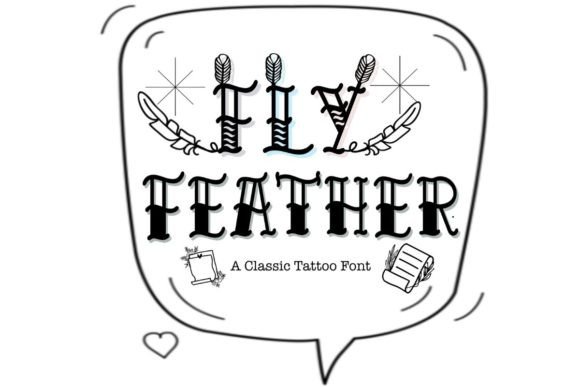
For small business owners, entrepreneurs, and creative consultants, finding the right font is about more than aesthetics. It is about communication. Typography is the voice of your brand before a customer even reads your words. In this review, I want to share how Fly Feather, a classic tattoo-inspired serif font with quirky feather decorations, can elevate your design assets and help you build a more memorable brand identity.
The Visual Character of Fly Feather
Fly Feather is not your standard office document font. It belongs to the Decorative category, specifically leaning into a Gothic tattoo aesthetic softened by whimsical details. The first thing you notice is the serif structure. It has that traditional, sturdy backbone you expect from classic typography, but it is disrupted by delicate, feather-like extensions on certain characters. This combination creates a unique mood: it is bold yet playful, serious yet approachable.
As a premium font option for designers, it offers a distinct "casual Tattoo Gothic" touch. This makes it incredibly versatile for brands that want to appear edgy but not aggressive, or vintage but not dusty. When I applied it to my candle labels, the font did not just sit on the paper; it interacted with the space. The feather decorations added a layer of texture that mimicked the organic nature of my products. It felt intentional and curated, rather than slapped on.
The personality of this typeface is crucial for businesses in the lifestyle, beauty, and artisan sectors. It suggests craftsmanship. It tells the customer that attention was paid to the details. Whether you are running a boutique clothing store, a specialty coffee shop, or an online skincare brand, Fly Feather adds that special casual flair that makes your business look polished and consistent.
Real-World Applications for Small Businesses
So, where does Fly Feather actually work in a real business context? I have tested it across various mediums, and its strength lies in short, impactful text. It is primarily a display font, meaning it shines in headlines, logos, and titles rather than long paragraphs of body text.
- Product Packaging and Labels: This is where Fly Feather truly excels. I used it for the main product name on my candle jars. Because the font has strong visual weight and unique decorative elements, it stands out even on small labels. It works equally well for bakery boxes, soap wrappers, or jewelry tags. The key is to keep the text brief. Let the font be the hero.
- Logo Design: If you are building a brand from scratch, Fly Feather can serve as a standalone logotype. Its quirky serifs and feather accents reduce the need for additional icons or graphics. The font itself becomes the logo, creating a clean and recognizable brand identity.
- Social Media Graphics: In the age of Instagram and Pinterest, visual consistency is key. I use Fly Feather for quote cards, sale announcements, and story headers. It grabs attention in a crowded feed because it looks different from the standard sans-serif fonts everyone else uses. It adds a touch of artistic flair to digital ads and promotional posts.
- Menus and Signage: For café owners or boutique retailers, this font works beautifully on chalkboard-style menus or window decals. It has a handcrafted feel that aligns well with physical spaces that value atmosphere and experience.
However, readability is a concern you must manage. Because of its decorative nature, Fly Feather is not suitable for small print or dense information. Do not use it for ingredient lists, terms and conditions, or long blog posts. Instead, pair it with a clean, highly readable font for those sections. This contrast ensures your design remains functional while still being visually striking.
Creating Harmony with Font Pairing
One of the most common mistakes I see small business owners make is using too many decorative fonts at once. Fly Feather is a statement piece. To make it work, you need to balance it with simplicity. This is where font pairing becomes essential.
I recommend pairing Fly Feather with a neutral sans serif font. A clean, geometric sans serif provides a modern counterpoint to the Gothic quirks of Fly Feather. This combination creates a professional look that feels contemporary yet rooted in tradition. For example, use Fly Feather for the headline "Hand-Poured Soy Candle" and a simple sans serif for the scent description and weight details. The contrast guides the eye and makes the important information pop.
Alternatively, if you are aiming for a softer, more romantic vibe, you might experiment with a lightweight script font or a subtle handwritten font for secondary accents. However, be cautious. Combining two highly decorative fonts can lead to visual clutter. The goal is visual consistency, not chaos. Keep the supporting typography understated so that Fly Feather can do its job effectively.
For editorial design or website banners, this pairing strategy helps maintain hierarchy. The decorative font draws attention, while the simple font delivers information. This dynamic is critical for converting viewers into customers, as it reduces cognitive load and makes your message easy to digest.
Technical Considerations and Licensing
Before you download and start designing, there are practical steps you must take. As a business owner, you need to ensure that your commercial font usage is legal and technically sound. Always check the licensing agreement included with Fly Feather. Most premium fonts offer different licenses for personal use, commercial use, and web embedding. Make sure you purchase the correct license for your intended use, whether that is printing physical products or using the font on your website.
Additionally, explore the technical features of the font file. Does Fly Feather include alternates or ligatures? These features can add extra customization to your logo design or packaging. For instance, you might find a alternate character for the letter "F" or "Y" that fits your specific layout better. Understanding these tools allows you to maximize the value of your purchase.
Also, consider the file formats. Ensure you have access to OTF or TTF files for print design and WOFF or WOFF2 files if you plan to use the font in web design. Proper file management ensures that your brand looks consistent across all platforms, from your online shop banner to your printed thank-you cards.
Elevating Your Brand Perception
Ultimately, typography affects trust. When a customer sees a well-designed label with a thoughtful font choice, they perceive the product as higher quality. Fly Feather helps you achieve that perception. It signals that you care about the details. It makes your brand feel established and professional, even if you are a solo entrepreneur working from home.
By integrating Fly Feather into your design assets, you create a cohesive look that customers can recognize instantly. Whether it is on a sticker, a business card, or an Instagram post, that consistent visual language builds familiarity. And in business, familiarity breeds trust. Trust leads to sales. So, if you are looking to refresh your brand or launch a new product line, consider giving Fly Feather a try. It might just be the missing piece that ties your entire brand identity together.